When considering flooring options for your Hobart home or business, the decision often comes down to balancing upfront investment with long-term value. Polished concrete has emerged as a compelling alternative to traditional flooring materials, offering unique advantages that make it particularly well-suited to Tasmania’s climate and lifestyle.
Understanding the Investment Landscape
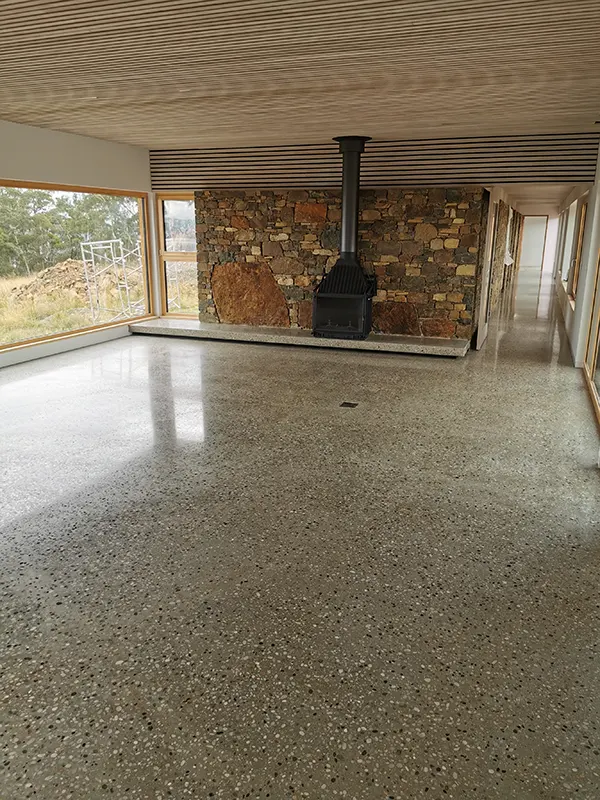
Polished concrete represents a fundamentally different approach to flooring investment compared to traditional options like carpet, timber, or tiles. While the initial installation process involves specialized equipment and skilled technicians, the long-term financial benefits often outweigh the upfront considerations. Traditional flooring materials typically require lower initial investment but carry ongoing costs that accumulate significantly over time.
The key to understanding true flooring value lies in examining the total cost of ownership rather than just installation expenses. This includes maintenance requirements, replacement frequency, and the impact on property value – factors that become particularly important in Hobart’s unique environment.
Durability and Longevity Factors
Hobart’s climate presents specific challenges that affect flooring longevity. The city’s cool, often damp conditions can be problematic for certain traditional materials. Carpet, for instance, may require more frequent replacement due to moisture-related issues and wear patterns common in high-traffic areas. Timber flooring, while beautiful, can be susceptible to expansion and contraction with temperature fluctuations.
Polished concrete excels in durability, often lasting decades with minimal degradation. The surface becomes increasingly refined with regular use, unlike traditional materials that typically show wear over time. This exceptional longevity means fewer replacement cycles, significantly reducing long-term flooring expenses for Hobart property owners.
Maintenance and Ongoing Costs
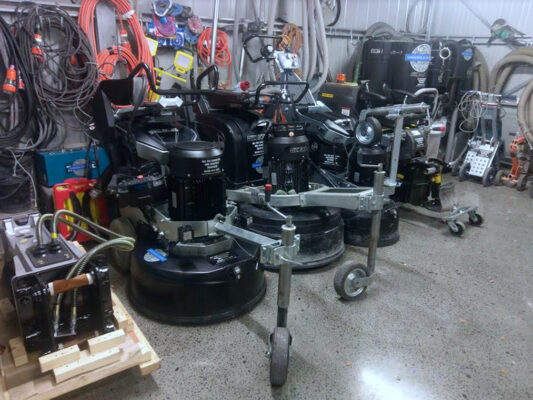
The maintenance requirements between polished concrete and traditional flooring differ dramatically. Traditional carpeting requires regular professional cleaning, spot treatments, and eventual replacement. Timber floors need periodic refinishing, while tiles may require grout cleaning and replacement of damaged pieces.
Polished concrete’s maintenance regime is remarkably straightforward. Regular sweeping and occasional damp mopping typically suffice to maintain its appearance. The sealed surface resists stains and doesn’t harbor allergens or dust mites, making it particularly valuable for Hobart’s households dealing with seasonal allergies or asthma concerns.
Energy Efficiency Considerations
Tasmania’s cool climate makes heating efficiency a significant concern for homeowners. Polished concrete’s thermal mass properties can contribute to more stable indoor temperatures, potentially reducing heating costs during Hobart’s chilly winters. The surface absorbs heat during warmer periods and releases it gradually, helping to moderate temperature fluctuations.
Traditional flooring materials like carpet provide insulation but can also trap cold air and require more energy to heat effectively. Timber floors, while offering some insulation properties, don’t provide the thermal mass benefits that polished concrete delivers.
Property Value Impact
The flooring choice significantly affects property values in Hobart’s competitive real estate market. Polished concrete has gained popularity among buyers seeking modern, low-maintenance homes. Its contemporary aesthetic appeals to design-conscious purchasers, while its practical benefits attract those prioritizing functionality.
Traditional flooring materials can add value, but they may also date a property or require updating to meet current buyer expectations. The timeless appeal of polished concrete means it’s less likely to look outdated, preserving its contribution to property value over time.
Installation Considerations
The installation process for polished concrete involves grinding, polishing, and sealing existing concrete slabs or newly poured surfaces. While this requires specialized equipment and expertise, it often eliminates the need for additional subflooring or extensive preparation work required by traditional materials.
Traditional flooring installation may seem simpler but often involves multiple layers, adhesives, and materials that add complexity and potential points of failure. The straightforward nature of polished concrete installation can offset some of the specialized requirements.
Environmental and Health Benefits
Sustainability considerations increasingly influence flooring decisions in environmentally conscious Hobart. Polished concrete utilizes existing concrete slabs, reducing waste and the need for additional materials. Its longevity means fewer resources consumed over time compared to traditional materials requiring regular replacement.
The hypoallergenic properties of polished concrete benefit households with sensitivity issues, potentially reducing healthcare costs and improving quality of life. Traditional carpeting can harbor allergens and require chemical treatments that may affect indoor air quality.
Making the Right Choice for Hobart
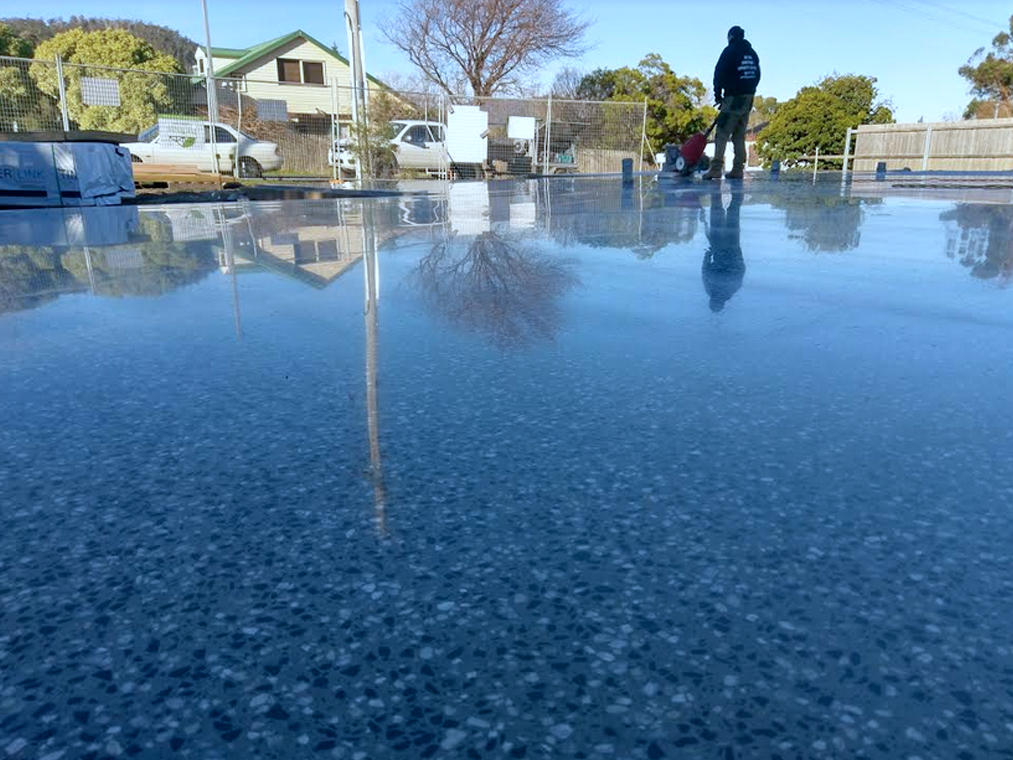
The decision between polished concrete and traditional flooring ultimately depends on your specific circumstances, aesthetic preferences, and long-term plans. While traditional materials may offer lower upfront costs, the total cost of ownership often favors polished concrete, particularly in Hobart’s climate.
Consider your lifestyle, maintenance preferences, and long-term property goals when evaluating these options. The investment in polished concrete often pays dividends through reduced maintenance, improved durability, and enhanced property value, making it an increasingly popular choice for discerning Hobart property owners.
