
Polished concrete floors are becoming more and more popular among restaurant owners, from quaint cafes in Salamanca Place to busy diners in North Hobart. This change is a calculated economic move that tackles the particular difficulties Tasmania’s thriving food service sector has, and it goes beyond aesthetics.
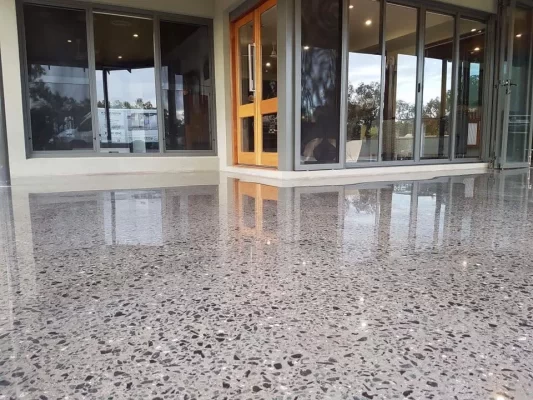
Over the past ten years, Hobart’s restaurant scene has seen significant change. With restaurants like Franklin and Dier Makr putting Tasmania on the world food map, the city’s culinary scene now competes with capitals on the mainland. Polished concrete floors are a major feature of the industrial and minimalist design trends that have accompanied this growth.
Polished concrete’s raw, elegant appearance goes well with Hobart’s architectural history, especially in the historic structures and converted warehouses along the waterfront. Owners of eateries are finding that those floors serve the ideal starting point for designing areas that are both modern and distinctly Tasmanian.
Superior Ruggedness in High-Traffic Areas
High pedestrian traffic, fallen meals splashed refreshments, and the everyday movement of the furniture all cause persistent damage to restaurant flooring. Conventional surfaces frequently wear out in a matter of months, necessitating expensive fixes or periodic replacement. On the other hand, polished concrete floors are designed to last decades of heavy use.
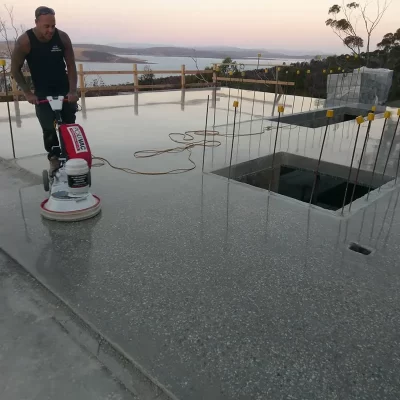
Concrete is polished by grinding the surface with ever finer diamond pads, producing a dense, extremely hard surface that is nearly unbreakable. As a result, restaurant operators can concentrate on providing delicious meals instead of worrying about replacing and maintaining their floors.
This resilience directly translates into increased revenue and fewer operational disruptions for busy Hobart restaurants that serve hundreds of clients every day.
Simple Upkeep under Requiring Conditions
To satisfy tough health department requirements, flooring in restaurant kitchens and dining spaces must be easily and completely cleaned. In this regard, polished concrete shines because it provides a smooth, impermeable surface that keeps germs and odours at bay. Polished concrete may be cleaned with basic mopping and sporadic deeper cleaning, in contrast to tile floors with grout lines that collect oil and filth or wood floors that may harbour bacteria in cracks and scratches. This ease of upkeep is especially helpful during peak service hours when employees must promptly clean up spills and keep everything immaculate.
Better overall cleanliness standards are achieved since polished concrete’s uniform surface also removes potential hiding places for bugs.
Practical Optimisation That Makes Sense for Business
The total cost of ownership frequently favours polished concrete when restaurant owners are weighing their flooring options. The long-term savings are significant, even though the initial installation cost can be on par with high-end tile or hardwood.
Depending on activity and upkeep, traditional restaurant flooring usually needs to be replaced every five to ten years. With little care, high-quality polished concrete floors can endure for 20 to 30 years or longer. For Hobart’s cutthroat restaurant industry, polished concrete is a wise investment because to its lifespan, decreased cleaning expenses, and shorter maintenance downtime.
Cost reductions are also a result of polished concrete’s energy efficiency. The qualities of thermal mass aid in controlling indoor temperatures, which lowers heating and cooling expenses. This is especially advantageous during Hobart’s unpredictable weather.
Variety in Styling for All Themes
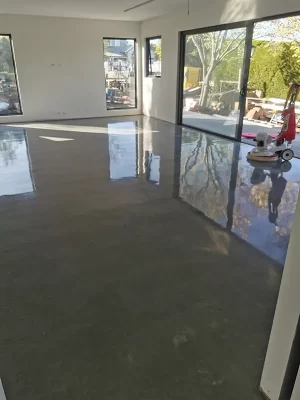
The idea that polished concrete is only appropriate for restaurants with an industrial aesthetic is a prevalent misunderstanding. With the amazing aesthetic adaptability of modern concrete polishing procedures, restaurant owners may create a variety of styles that complement their brand’s personality.
While high-gloss finishes offer the slick sophistication required by fine dining places, staining alternatives can produce warm, earthy tones ideal for intimate wine bars. Saw-cut patterns can provide vast dining areas geometric interest, and decorative aggregates can be revealed during polishing to produce distinctive visual textures.
Because of its adaptability, polished concrete is now the flooring of choice for a wide range of Hobart businesses, from fancy dining places looking to create unforgettable dining experiences to casual fish and chip shops.
Ecological Attractions Compliment Hobart’s Beliefs
Business decisions in all industries are influenced by Tasmania’s strong commitment to sustainability, and owners of eateries are beginning to take the environment into account when making decisions. Sustainable business methods are a fantastic fit for polished concrete floors.
Polished concrete lowers construction waste and does not require extra flooring materials because it uses the existing concrete slab.
Because polished concrete floors last longer, they require less upgrades, which lessens their long-term ecological impact. Furthermore, concrete’s insulating qualities can help increase the energy use of a structure.
Polished concrete flooring give restaurants that serve sustainably produced, regionally sourced food a base that embodies their environmental ideals.
Taking Care of Regular Problems
At first, several restaurant owners are concerned about the noise insulation and usability of concrete surfaces. These issues can be successfully resolved with the use of contemporary polishing methods and appropriate base treatment. Without sacrificing the advantages of polished concrete, cosy eating areas can be created with the thoughtful use of area rugs, sound-absorbing wall coverings, and appropriate HVAC design.
When adequate texturing techniques are used during the polishing process, the slide resistance of properly completed polished concrete satisfies safety criteria for commercial food service locations.
The Excellence of Professional Service
Proper installation by skilled personnel is essential to the success of any polished concrete project. Specialised tools, technical know-how, and knowledge of regional conditions and building codes are necessary for the procedure.
To obtain the required appearance and performance features, professional installers evaluate the state of the concrete, take care of any structural problems, and use the proper polishing processes. Restaurant owners are guaranteed to get the full rewards of their flooring investment thanks to this attention to detail.
Collaborating with seasoned local contractors guarantees adherence to Tasmanian building regulations and the best outcomes for the particular circumstances present in Hobart’s varied building stock.
Anticipating
Polished concrete flooring are becoming the norm for both new construction and restorations as Hobart’s restaurant industry develops and grows. This flooring option is a perfect fit for the city’s vibrant food service sector because of its durability, beauty, affordability, and environmental advantages.
It would be prudent for restaurant owners thinking about flooring options to investigate how polished concrete can help them achieve their business objectives while creating aesthetically pleasing and useful areas that improve their patrons’ dining experiences.
The polished concrete trend in Hobart’s restaurants is part of a larger movement towards sustainable, functional design solutions without sacrificing style, which is a mindset shared by Tasmania’s forward-thinking corporate sector.
